Performance-Based Influencer Marketing: Agency Guide to Pay-Per-Sale Deals
Pay-per-sale influencer deals are going mainstream. Here is how agencies structure, track, and profit from performance-based creator programs — including the contract clauses most people miss.


Quick answer: Performance-based influencer marketing ties creator compensation to real business outcomes — sales, sign-ups, trial activations, and app downloads — rather than flat fees for content delivery. In 2026, 68% of brand-creator contracts include performance metrics, up from 42% in 2023. For agencies, performance-based models unlock stronger client relationships, more defensible results, and new revenue opportunities tied directly to campaign outcomes.
TL;DR for agency leaders:Performance models: pure commission (5–20% per sale), hybrid (base fee + commission), pay-per-lead, and tiered bonus structuresBest for: e-commerce, SaaS, apps, subscription products with clear conversion eventsCreator vetting becomes more critical — low-quality audiences do not convert regardless of content qualityAttribution is the hard part: promo codes + UTM links + platform-native tracking is the minimum viable stackAgency margin model: charge clients on GMV %, earn from creator commission spread, or bundle into performance retainer
The shift from impressions to outcomes is the defining change in influencer marketing in 2026. Three years ago, a campaign delivering 5 million impressions and a 3% engagement rate was considered a success. Today, client CMOs are asking the question that changes everything: how much did this actually sell?
Performance-based influencer marketing is the industry's answer. Instead of paying a fixed fee for a deliverable — a post, a video, a Story — brands pay creators based on results. Sales commissions. Cost-per-lead payments. Tiered bonuses for hitting conversion thresholds. The model exists across a spectrum from pure-commission arrangements to hybrid structures that combine a base fee with performance upside.
For agencies, performance-based models are simultaneously a threat and an opportunity. The threat: clients who shift to pure performance models will scrutinize your creator selections more rigorously than ever. The opportunity: agencies that learn to consistently pick, brief, and manage creators who convert are building a capability that commands premium fees — and retention rates that flat-fee agencies cannot match.
The Spectrum of Performance-Based Models
| Model | Structure | Best For | Agency Margin Approach |
|---|---|---|---|
| Pure commission | Creator earns % of every sale (5–20%) | E-commerce, TikTok Shop, Amazon associates | % of GMV management fee |
| Hybrid (base + commission) | Reduced flat fee + 5–15% commission above threshold | Mid-tier brands wanting cost predictability | Management fee + performance spread |
| Pay-per-lead (PPL) | Creator earns fixed amount per qualified lead | SaaS trials, finance, insurance, education | % of lead value or flat management fee |
| Pay-per-install (PPI) | Creator earns $0.50–$5 per app install | Mobile apps, games, consumer tech | Management fee on install volume |
| Tiered bonus structure | Base fee + increasing bonuses for hitting conversion thresholds | Product launches, limited-time campaigns | Base fee + bonus performance split |
Why Performance-Based Models Are Growing in 2026
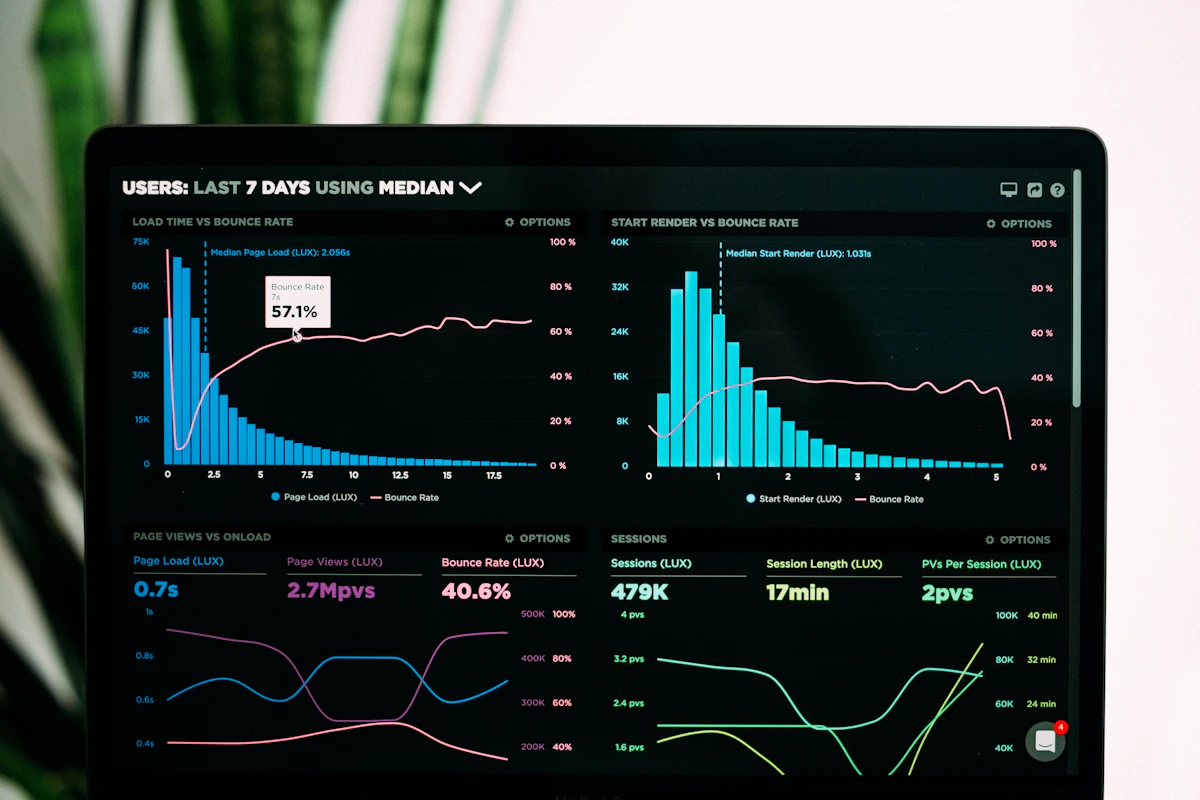
Several structural forces are accelerating the shift toward performance-based influencer deals. Platform-native commerce tools (TikTok Shop, Instagram Shopping, YouTube Shopping) have made in-app attribution cleaner and more reliable, removing the excuse that influencer conversions are impossible to track precisely. Brands have raised the bar on marketing accountability after several years of AI-driven analytics adoption across their organizations. And an oversupply of creators has intensified competition for brand partnerships, giving brands the leverage to demand performance accountability.
For agencies, this shift is an opportunity to differentiate. Most influencer agencies are built around content delivery workflows — briefing, approval, publishing. Agencies that build performance-tracking infrastructure, conversion-focused creator vetting, and data-driven optimization into their core service can charge significantly more and retain clients who would otherwise commoditize the engagement.
Creator Selection for Performance Campaigns
Performance-based deals expose the difference between creators who drive engagement and creators who drive action. These are not always the same person. A creator with 500K followers and 8% engagement may generate mostly entertainment-driven likes that never convert. A creator with 40K followers in a niche product category may convert 3–5% of their audience on every promotion.
Signals That Predict Conversion Performance
Historical conversion data. Ask prospective creators directly: "What conversion rates have you driven for previous sponsors?" Credible performance creators have this data. Those who cannot answer have likely never been held to conversion metrics — which is not disqualifying, but means you need to calibrate expectations on the first campaign.
Audience purchase intent signals. Scan comments on product-adjacent content for phrases that indicate a buying mindset: "where can I get this?", "just bought!", "does this ship internationally?", "added to cart." These behavioral signals in comments are the strongest predictive indicators of audience convertibility. Run every candidate through your influencer vetting checklist and authenticity verification process before committing to a performance deal.
Content-to-commerce alignment. Creators who regularly make product-forward content (reviews, tutorials, comparisons, "best of" lists) have trained their audiences to expect and act on product recommendations. Creators who primarily post lifestyle or entertainment content, even with excellent engagement, will typically underperform on conversion metrics because their audience did not follow them for buying guidance.
Building the Attribution Stack

Performance-based influencer marketing requires reliable attribution infrastructure. Without it, you cannot demonstrate results, optimize spend, or defend your fees when a client questions performance. Here is the minimum viable attribution stack:
Promo Codes
Unique discount codes per creator (CREATOR15, SARAHSAVES, etc.) provide clean, unambiguous attribution when customers apply them at checkout. They also serve a marketing function — the discount incentivizes conversion — which makes them consistently higher-converting than raw tracking links. The downside is that promo codes only capture customers who remember to use them; estimate 60–80% of creator-driven purchases use the code, meaning your reported numbers will undercount true impact.
UTM-Tagged Tracking URLs
Unique URLs with UTM parameters (utm_source=creator_name&utm_medium=influencer&utm_campaign=campaign_name) allow Google Analytics and client BI tools to attribute traffic and conversions to specific creators. These capture digital clicks but miss off-screen conversions (someone watches a TikTok video on their phone and buys on their laptop later) and platform-to-platform handoffs.
Platform-Native Attribution
TikTok Shop and Instagram Shopping provide native attribution for in-app purchases — every sale through a creator's product link or affiliate ID is automatically tracked. This is the cleanest attribution data available, which is another reason to prioritize social commerce formats for performance campaigns. For more on setting this up, see our social commerce guide for influencer agencies.
Post-Purchase Surveys
Add "How did you hear about us?" to post-purchase confirmation screens. Customers who discovered the brand through an influencer will self-report at rates that, when combined with tracked attribution, give you a more complete picture of true influencer impact. Surveys consistently capture 20–40% incremental conversions beyond click and code tracking.
Structuring Performance Deals: Agency Best Practices
Negotiate a Hybrid Model for New Creator Relationships
Pure commission structures are high-risk for both creators and agencies on first campaigns — you do not know yet whether the creator's audience converts for this specific product. Start with a hybrid deal: a reduced base fee (50–70% of the creator's normal rate) plus a commission on sales. This protects the creator from making no money if the product-audience fit is poor, while giving your client strong performance alignment. After a successful first campaign, you have data to move to a pure commission or tiered model for future campaigns.
Set Clear Attribution Windows in Contracts
Specify in the contract exactly how sales are attributed: which tracking mechanisms count, what the attribution window is (7 days, 30 days, or custom), and what happens to sales recorded after the attribution window closes. Ambiguity here causes the most disputes between agencies, clients, and creators. Our influencer contract template and contract essentials guide provide the legal language foundations you need.
Build Tiered Bonus Structures That Motivate High Performance
Flat commissions create a ceiling on creator motivation. Tiered structures — where the commission rate increases as the creator hits higher sales thresholds — incentivize creators to actively promote beyond their standard posting cadence. Example: 8% commission on first 100 sales, 12% on sales 101–300, 18% on sales above 300. Creators who hit early thresholds often proactively add Stories, responses to comments, and LIVE sessions to push into the next tier.
How to Present Performance-Based Models to Clients

Some clients resist performance-based models because they misunderstand them as "riskier" than flat-fee arrangements. Frame the conversation this way: flat fees are not lower risk — they are hidden risk, because you pay regardless of whether the campaign delivers business outcomes. Performance models convert risk into alignment: the agency and creators only earn more when the client earns more.
For clients concerned about creator quality in a performance model, emphasize that performance-based deals actually improve creator selection rigor — you are picking creators who have demonstrated conversion capability, not just engagement numbers. This feeds directly into how you present results against their growth goals. See our guides on setting client expectations on influencer marketing and agency pricing models for the broader commercial conversation.
Scaling a Performance-Based Agency Practice
Building a performance-based capability requires investing in infrastructure that most influencer agencies have not prioritized. You need attribution tracking across all campaigns, conversion rate benchmarks by creator tier and product category to set realistic targets, a creator scoring system that tracks historical conversion performance, and reporting templates that translate performance data into business outcomes your clients' leadership teams understand.
Agencies that build this infrastructure become genuinely hard to replace. When a client can see that your agency's creators consistently convert at 3–5x the industry benchmark, switching to a competitor becomes a financially irrational decision. For the tools and platforms that support this infrastructure, see our best influencer marketing software for agencies and our guide on measuring influencer marketing ROI.
Frequently Asked Questions About Performance-Based Influencer Marketing
What is performance-based influencer marketing?
Performance-based influencer marketing ties creator compensation to business outcomes rather than content deliverables. Instead of paying a flat fee for a post or video, brands pay based on sales generated, leads captured, app installs, or other defined conversion events. Models range from pure commission structures (5–20% per sale) to hybrid arrangements combining a reduced base fee with performance bonuses.
What commission rate should I offer influencers?
Commission rates typically range from 5–20% per sale depending on product margin and creator tier. Standard starting points: 10–15% for most e-commerce products, 15–20% for high-margin products (digital, software, supplements), and 5–10% for lower-margin physical goods. TikTok Shop marketplace commissions range from 5–20% set by the brand. Always factor the creator's fee expectations and the product's unit economics into your commission structure before proposing.
How do I track conversions from influencer campaigns?
Use a combination of: unique promo codes per creator (captures 60–80% of conversions), UTM-tagged tracking URLs in bios and descriptions, platform-native attribution (TikTok Shop, Instagram Shopping, YouTube Shopping), and post-purchase surveys. No single tracking method captures 100% of influencer-driven conversions — stack multiple methods and apply an estimated correction factor to avoid under-reporting true impact.
Are performance-based deals better for creators or brands?
Done correctly, hybrid performance models are better for both. Brands pay less upfront and only pay more when campaigns generate real revenue. Creators who convert well earn significantly more than they would on flat fees — a creator earning 15% commission on $50,000 in attributed sales earns $7,500, potentially 3–5x their flat fee rate. Pure commission models without any base fee disadvantage creators and should only be used once you have established conversion data for the creator-product pairing.
Which types of products work best with performance-based influencer deals?
Performance models work best for products with a clear, trackable conversion event: e-commerce with online checkout, SaaS with free trial or subscription sign-up, mobile apps with install tracking, and financial products with account opening events. They work less well for products with long consideration cycles, offline purchase paths (retail-heavy brands), or low average order values where the commission math does not work for creators.