How to Verify Influencer Authenticity in 2026


How to Verify Influencer Authenticity in 2026: Complete Agency Guide
How do you know if an influencer's audience is real? With deepfakes, fake followers, and engagement pods proliferating across social platforms, verifying influencer authenticity has become essential for agencies. A single partnership with an inauthentic creator can damage client trust, waste budget, and undermine campaign ROI.
This guide walks you through the exact steps agencies should take to verify influencer authenticity before pitching creators to clients or entering contracts. We'll cover metrics to analyze, tools to use, and red flags to watch.
Why Influencer Authenticity Matters for Agencies
Before diving into the how, let's clarify why this matters. An influencer with fake followers appears to have reach they don't actually possess. If you pitch a creator with 500K followers but only 10K real engaged followers, your client's campaign underperforms, costs per engagement skyrocket, and the partnership fails.
The stakes:
- Budget waste: Clients pay per engagement or per post; fake followers don't engage
- Campaign failure: Real reach drops, conversions plummet, ROI doesn't materialize
- Client trust erosion: A failed campaign damages your agency's reputation
- Legal exposure: Some contracts include performance guarantees; inauthentic creators violate those terms
Agencies that verify authenticity upfront close higher-quality partnerships and deliver measurable results.
5 Steps to Verify Influencer Authenticity
Step 1: Analyze Follower Growth Patterns
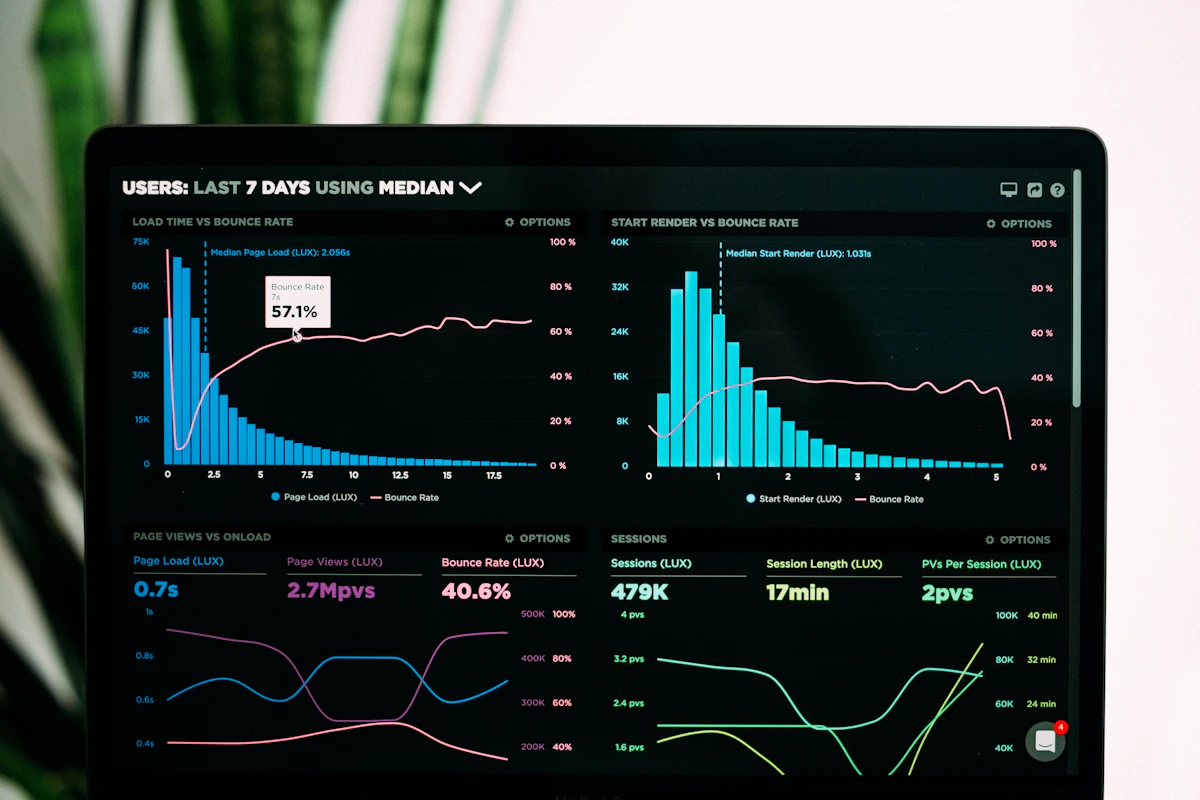
Real growth is gradual and consistent. Artificial growth is sudden and erratic.
What to look for:
- Plot the influencer's follower count over the last 3–6 months using tools like Truleado or Social Blade
- Healthy pattern: Steady +1–3% growth per month (organic)
- Red flag: Sudden 10–50% jumps in a single week (bot follow farms)
- Red flag: Complete flatline (inactive or stalled account)
How to check:
- Go to Social Blade (socialblade.com) and search the influencer's handle
- Look at the "Graphed Data" section showing monthly follower count
- Note any sharp spikes or dips—these indicate artificial activity
If an influencer gained 100K followers in two weeks without a viral post or major press, be skeptical.
Step 2: Calculate and Benchmark Engagement Rate
Engagement rate reveals how many real followers are actually interacting with content. Influencers with fake followers show artificially low engagement rates relative to follower count.
How to calculate engagement rate:
(Likes + Comments + Shares) / Follower Count × 100
Healthy benchmarks by platform (2026):
- Instagram: 2–5% for creators 100K+; 5–8% for nano-influencers (<100K)
- TikTok: 3–8% for creators 100K+; 8–15% for nano-influencers
- YouTube: 1–3% (lower because views don't equal engagement)
Red flags:
- Engagement < 0.5%: Likely bot followers; real creators rarely fall below 1%
- Engagement > 15% on large accounts: Could indicate bot engagement pods inflating comments
- Sudden engagement drops: Account may have been hit with bot purges
Use Truleado's creator discovery tool or similar platforms to pull engagement metrics directly; manually calculating from posts is error-prone.
Step 3: Examine Comment Quality
Fake followers leave fake comments. Real followers leave contextual, meaningful replies.
What authentic comments look like:
- Replies reference the post content specifically ("Love the outfit!" vs. "Nice post!")
- Mix of lengths—some one word, some multi-sentence
- Grammatical variety (native and non-native speakers)
- Replies include follow-up questions or discussions
What bot/fake comments look like:
- Repetitive, generic praise ("Amazing!" "So beautiful!" "Love this!")
- All-caps enthusiasm (spam signals)
- Multiple comments from the same account in succession
- Suspicious profile pictures (AI-generated faces, stock photos)
- Non-language text or emoji spam
Step 4: Use Influencer Verification Tools
Specialized tools analyze historical data, engagement patterns, and audience demographics to detect fake followers at scale. Leading tools include Truleado (free + credits, 90%+ accuracy), HypeAuditor (freemium, $99/mo, 85-90% accuracy), and Social Blade (free, 70-80% accuracy).
What these tools measure:
- Bot follower %: Estimated percentage of followers that are bots or inactive accounts
- Audience demographics: Age, gender, location distribution (realistic vs. clustered)
- Engagement authenticity score: Likelihood comments/likes are from real users
- Historical patterns: Follower velocity, engagement consistency over time
Recommended approach: Use Truleado's creator database (free tier) to cross-reference authenticity scores before purchasing credits for detailed audience breakdowns.
Step 5: Verify Account History and Consistency
Long-standing, consistent accounts are more trustworthy than accounts with suspicious resets, name changes, or niche pivots.
What to check:
- Account age: How long has the influencer been active? (3+ years is safer than 6 months)
- Name changes: Does the influencer change their handle frequently? (Red flag: frequent changes often indicate account recovery after bot purges)
- Niche consistency: Does their content align with their stated niche?
- Verified status: Is the account verified? (Not foolproof—some bot farms are verified—but a positive signal)
Common Red Flags: A Quick Checklist
Before signing a contract, run through this checklist:
- Follower count jumped 20%+ in a single month
- Engagement rate below 0.5% (for accounts 10K+ followers)
- Comments are 30%+ generic or suspicious
- Bot follower % above 20% (according to verification tools)
- Audience demographics are clustered in one country/region
- Account has changed names multiple times in the past year
- No engagement data publicly available (private account)
- Creator refuses to share audience breakdown or analytic access
- Historical follower growth is erratic or shows sudden drops
If an influencer shows 4+ red flags, move on. The risk isn't worth the budget.
How Agencies Scale Influencer Vetting
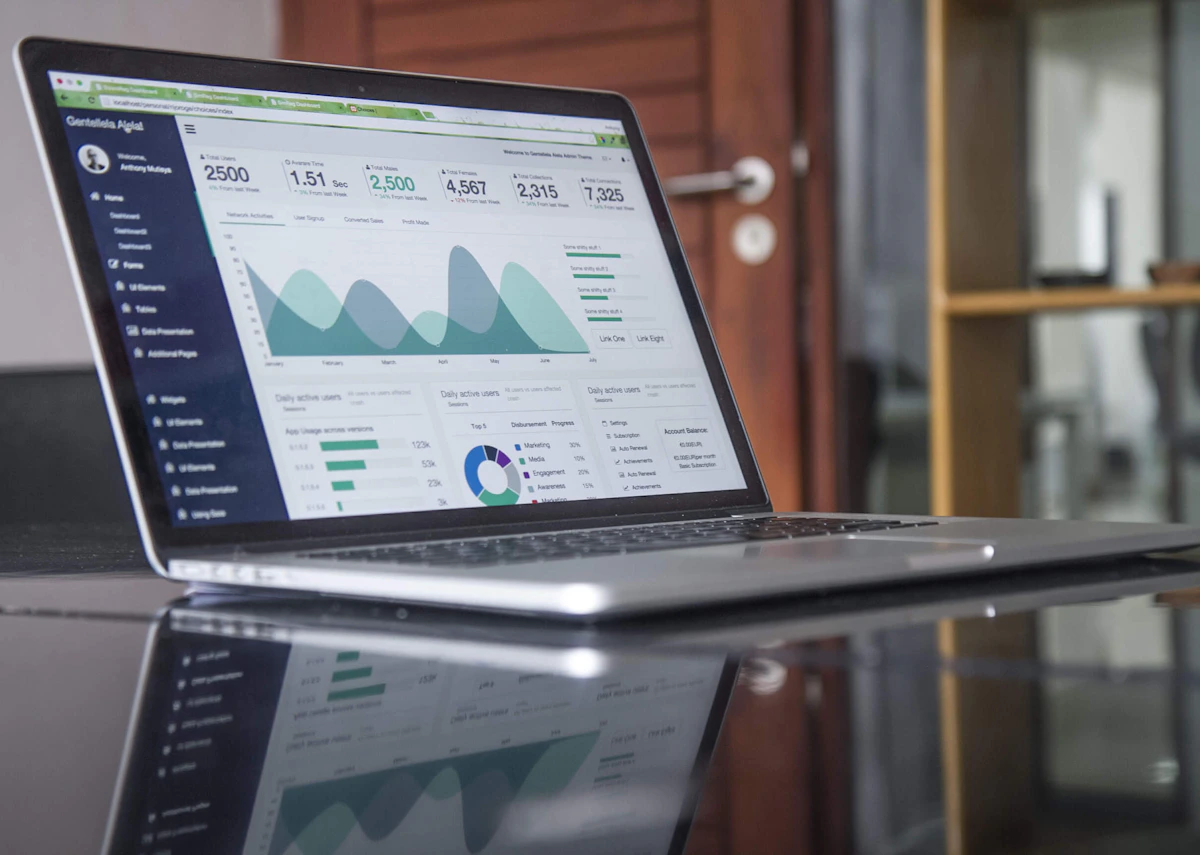
Manual verification works for 5–10 creators, but agencies managing 50+ partnerships need a systematic approach.
Scaling strategy:
- Use creator discovery platforms (Truleado, HypeAuditor, Modash) that include built-in authenticity scoring
- Set minimum thresholds: Reject creators with bot followers > 15% automatically
- Create a vetting rubric: Standardize which metrics matter for your client types
- Automate the process: Truleado lets you filter creators by engagement rate and audience quality in bulk
- Assign a QA step: Have one team member review high-risk creators before pitching
Truleado's creator discovery database includes real-time engagement metrics and audience breakdown for millions of influencers, cutting manual vetting time by 80%.
FAQ: Influencer Authenticity
Q: Is a verified badge a guarantee of authenticity? A: No. Verification indicates Instagram/TikTok confirmed the account is real and notable, but it doesn't verify audience quality. Verified accounts can still have bot followers.
Q: What engagement rate should I require? A: For B2C brands, 2%+ is standard. For B2B or luxury brands targeting smaller, niche audiences, even 1–2% is acceptable if the audience fits the brand's target market.
Q: How do I know if bot comments are from engagement pods? A: Engagement pods leave comments that are generic, arrive in bursts, and come from accounts with similar follower counts and engagement patterns. Use HypeAuditor's "Audience Quality" section to identify these patterns.
Q: Should I pay for deeper audience analytics? A: For tier-1 partnerships (5-figure spends), yes. Buy Truleado credits or HypeAuditor Pro to verify audience demographics, location, and sentiment. For smaller partnerships, the free tier and Social Blade are sufficient.
Next Steps

Before your next influencer partnership:
- Pick 3 creators you're considering pitching to clients
- Run each through Truleado's verification or HypeAuditor
- Calculate engagement rate for each using the formula above
- Review the last 10 posts for comment quality
- Check for the 5 red flags—and move on if you find 4+
Agencies that vet influencers thoroughly see 30–50% higher campaign ROI and retain clients longer because partnerships deliver results.
Ready to scale creator discovery? Truleado's free creator database lets you search millions of verified influencers, filter by engagement rate and audience quality, and pull authenticity metrics in seconds. Start your free trial here.