How to Handle Late Deliverables from Influencers (Without Burning the Relationship)
Late influencer deliverables don't have to cost you a client or a creator relationship. Here's the exact process top agencies use to handle them professionally — before, during, and after the deadline.

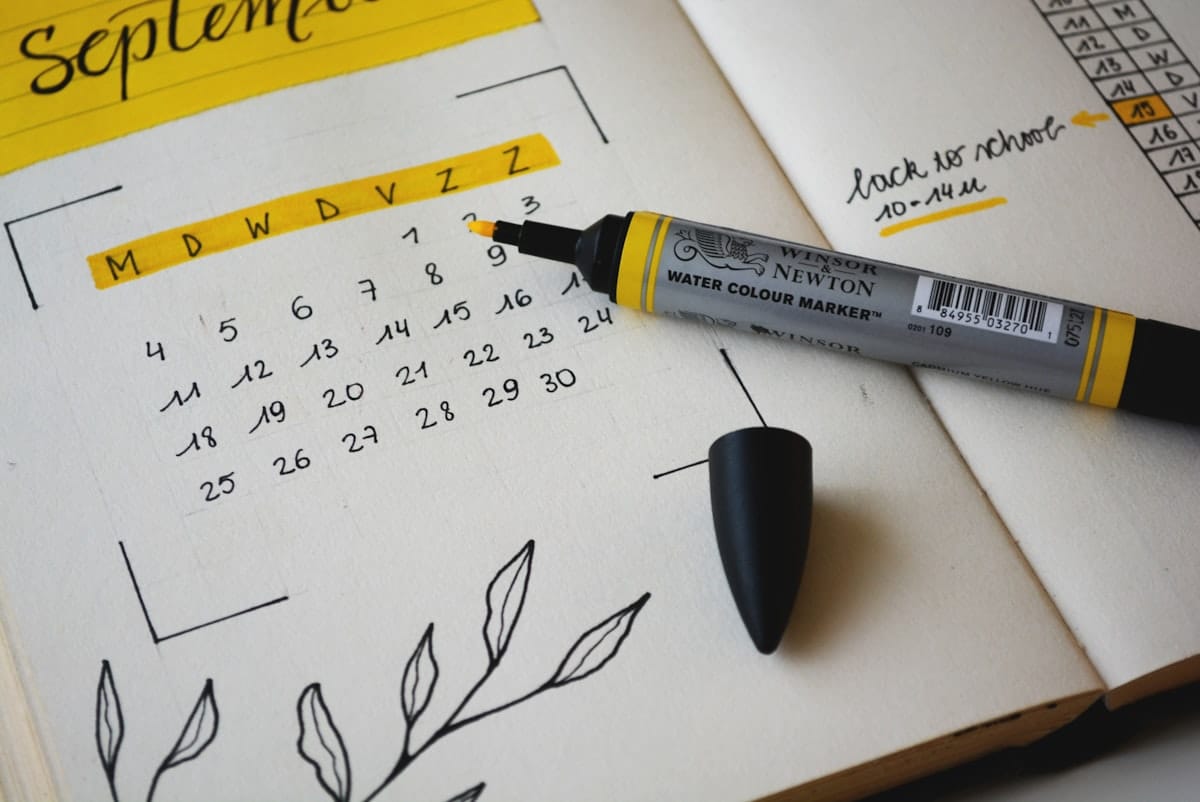
Every agency has been there. The campaign is live, the client is waiting, and the influencer's content is nowhere to be seen. The deadline has passed. Your follow-up messages are sitting on read. And now you have to figure out how to handle this — fast — without torching a relationship that took months to build.
Late deliverables are one of the most common headaches in influencer marketing. They're also one of the most mismanaged. Agencies either go radio silent (hoping the content appears), or overcorrect and come in hard — threatening the relationship before it needs saving.
The good news: there's a better way. With the right process, you can protect your client, your deadline, and your relationship with the creator — all at once. Here's exactly how to do it.
Why Influencer Deliverables Are Late (More Often Than You'd Think)
Before you react, it helps to understand why this happens so frequently. Late deliverables rarely come from pure negligence. More often, they stem from:
- Unclear or unconfirmed deadlines (the influencer thought they had more time)
- Overcommitment — creators juggling multiple brand deals simultaneously
- Life happening — illness, travel, family situations
- Creative block or content that didn't turn out right
- Miscommunication about what the brand actually wanted
- Technical issues — footage lost, equipment failing
Understanding the root cause doesn't mean accepting it. But it changes how you approach the conversation. A creator who's overwhelmed needs a different response than one who's simply disorganised.

Prevention Is the Best Policy: How to Reduce Late Deliverables Before They Happen
The best time to handle a late deliverable is before it ever becomes one. That means building safeguards into your workflow from day one.
1. Build Buffer Time Into Every Deadline
Never share your actual client deadline with the influencer. If you need content by the 15th to review, approve, and upload, tell the creator their deadline is the 10th. A 3–5 day internal buffer is standard practice at well-run agencies. It sounds simple. Most agencies don't do it consistently.
2. Confirm the Brief — And the Deadline — in Writing
Verbal agreements are where deliverables go to die. Every campaign should have a written brief with a crystal-clear deadline, deliverable format, and what happens if the deadline is missed. Make this part of your standard influencer contract. (If you're not sure what to include in your contracts, check our guide on
Verbal agreements are where deliverables go to die. Every campaign should have a written brief with a crystal-clear deadline, deliverable format, and what happens if the deadline is missed. Make this part of your standard influencer contract. (If you're not sure what to include, check our guide on how to write an influencer brief that gets great content every time.)
3. Set Reminder Check-Ins Mid-Campaign
A check-in message 5–7 days before the deadline isn't nagging — it's professional. Frame it as support: "Just checking in — how's the content coming along? Let me know if you need anything from our end." This surfaces problems early, when there's still time to solve them.
4. Use a Platform That Tracks Submission Status
Manually tracking every creator's deadline via spreadsheets or a messy inbox is a recipe for missed deliverables. A dedicated influencer marketing platform gives you a live view of what's submitted, what's pending, and what's overdue — without having to chase down the information yourself.
When the Deadline Passes: Your First 24 Hours
So it's day one after the deadline. Nothing has arrived. Here's what to do — in order:
- Check all your channels — email, DM, WhatsApp. Did they reach out and something got missed?
- Send a calm, non-accusatory message. Don't open with "You missed the deadline." Open with: "Hey [Name], just following up on [campaign name] — wanted to check in since I haven't received the content yet. Are you still on track?"
- Set an internal escalation timer. If you don't hear back within 24 hours, escalate your outreach.
- Notify your client proactively — don't wait until you have a resolution. "We're following up with the creator and expect an update today." This keeps you in control of the narrative.
- Document everything. Every message sent, every response (or non-response) received.
The first 24 hours is about information-gathering, not confrontation. You might not even have the full picture yet.

How to Have the Conversation Without Burning the Relationship
If the creator responds and the content is delayed, here's how to handle the conversation:
Lead with empathy, not blame
"I understand things come up — let's figure out a path forward together." This signals that you're a professional who can handle reality, not someone who needs everything to be perfect. Creators remember this. It's what makes them want to work with you again.
Get a firm revised commitment
Don't accept "soon" or "by the weekend." Get a specific date and time. "What date can you definitely have this to me by?" Then reconfirm it in writing.
Be honest about the impact
If the delay creates a real problem for the campaign, say so — calmly and factually. "Our client's campaign launches on Friday and this content is central to it. A 48-hour delay would push us past that window." This isn't a threat; it's information.
Offer help where you can
Can you extend the brief? Provide additional examples? Sometimes creators are stuck because they're not sure what the brand wants. Removing that blocker can get content in faster than any amount of pressure.
When to Escalate — and How
Not all late deliverables are equal. There's a difference between 48 hours late with clear communication and a week overdue with silence. Escalation thresholds vary by campaign, but a general guide:
- 24–48 hours late + responsive: Stay calm, get new commitment, monitor closely
- 48–72 hours late + unresponsive: Send formal notice referencing the contract, CC any agency lead
- 5+ days late + no resolution: Review contract for penalty clauses, consider backup creator, inform client formally
Escalation isn't the same as burning a bridge. You can be firm and professional at the same time. "We need to resolve this today per our agreement" is not hostile — it's business.
The key is always documenting your escalation steps. If it ever goes further — legal, withheld payment, a formal dispute — you want a clear record of every step you took and when.
Protecting Your Client Relationship When Influencers Are Late
Your client doesn't care whose fault it is — they care about results. So your job when a creator is late is to manage the client experience proactively:
- Set expectations early: "We build contingency time into all campaigns for exactly this reason."
- Give updates before they ask: Don't make clients chase you for status.
- Have a backup plan ready: Could another creator in your roster fill the gap? Could the campaign launch date shift slightly?
- Show your process: When clients see you've got a documented escalation path, it builds confidence — even when things go wrong.
The agencies that retain clients long-term aren't the ones where everything goes perfectly. They're the ones who handle problems professionally when things go sideways.
How the Right Platform Makes This Whole Process Easier
A lot of the pain around late deliverables comes from manual tracking. You can't see at a glance who's submitted what. Follow-ups are manual. Clients are calling you for status updates you don't have.
That's exactly what Truleado is built to solve. The Creator Management Hub gives you a live view of every influencer's submission status across every campaign. Automated reminders go out before deadlines, not after. And creators have their own login to submit content directly — so nothing gets lost in email threads.
When a deliverable is late, you see it instantly. When a client wants an update, you have one. When you need to escalate, you have a full audit trail. The platform doesn't prevent every late submission — but it means you're never blindsided by one, and you're never scrambling to figure out where things stand.
Try Truleado free during beta and see how much time you save on deliverable management alone.
Frequently Asked Questions
What should I do if an influencer goes completely silent after missing a deadline?
Send one final formal notice via email (not just DM) referencing the contract and the missed deadline. Give a 24-hour response window. If you still hear nothing, proceed with any contractual remedies — including withholding payment until the deliverable is received or finding a replacement creator. Document everything.
Should I include late delivery penalties in influencer contracts?
Yes, and most experienced agencies do. A typical clause might reduce payment by a percentage for each day the content is late past the deadline, up to a cap. This isn't about penalising creators — it's about making the deadline feel real and compensating you for the operational cost of managing delays.
How do I tell a client their influencer is late without panicking them?
Lead with your plan, not the problem. "We're following up with the creator and have a revised timeline — here's what we're doing to make sure the campaign stays on track." Clients trust agencies who communicate proactively and come with solutions, not just bad news.
How many follow-ups is too many?
Three is generally the standard: a check-in before the deadline, a follow-up the day of or day after, and a formal notice 48–72 hours later. After that, you shift from follow-up to escalation. More than three informal follow-ups without escalation signals to the creator that there are no real consequences.
Can a campaign recover from a late deliverable?
Usually, yes — especially if your buffer time did its job. The creator delivers late but before the client deadline, and no one is the wiser. What matters is having the buffer in place and a fast response when it happens.
Final Thoughts
Late deliverables are part of agency life. The agencies that handle them best don't have fewer of them — they have better systems for managing them when they happen.
Prevention, clear communication, professional escalation, and the right technology stack. That's the playbook. Follow it and you'll protect your client relationships, your campaigns, and your creator relationships — even when things don't go to plan.
Want to see how Truleado helps agencies manage creator deliverables from one central dashboard? Sign up free at app.truleado.com — no credit card required.
Further Reading
→ How to Scale Your Influencer Agency from 3 to 30 Clients
→ How Agencies Manage 50+ Influencer Campaigns at Once
→ How to Onboard a New Client to Your Influencer Agency (Step-by-Step)